
Aircraft engines are the core power components of aviation equipment, operating continuously in extreme high-temperature, high-pressure and high-load environments. Tiny internal component wear, cracks, corrosion and foreign object damage (FOD) may lead to engine failure and even serious flight safety accidents. Therefore, professional and accurate aircraft engine inspection is the top priority of aviation MRO (Maintenance, Repair and Overhaul). As essential professional non-destructive testing equipment, industrial borescopes, also known as aviation endoscopes, have become standard inspection tools for modern aero engine routine maintenance, fault troubleshooting and airworthiness compliance inspection.
What Is an Industrial Borescope for Aircraft Engine?
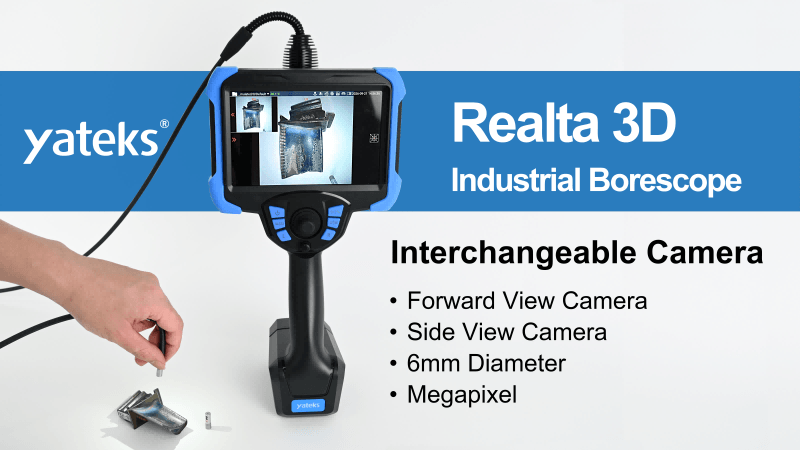
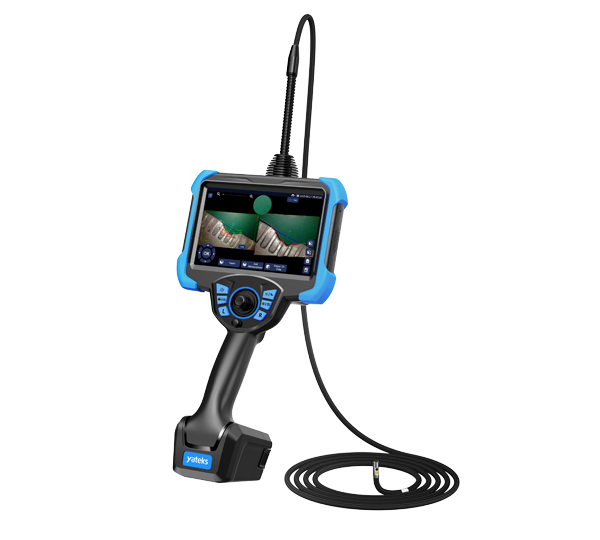
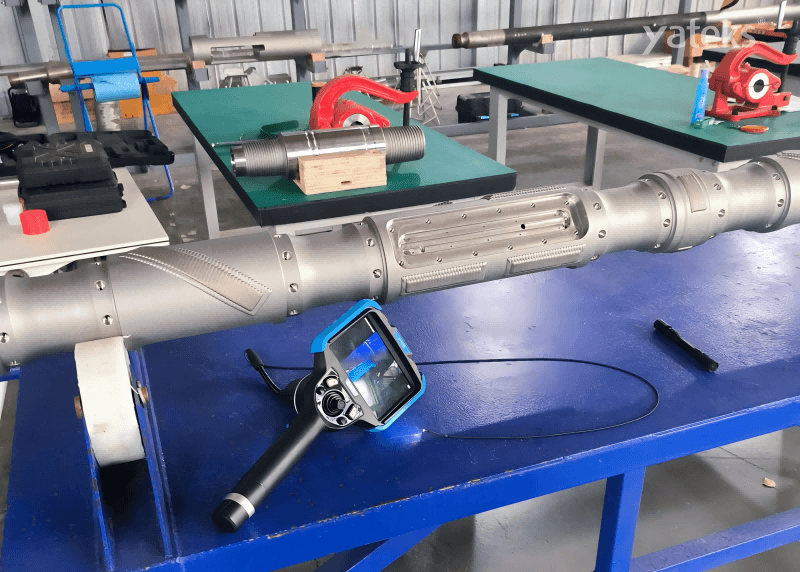
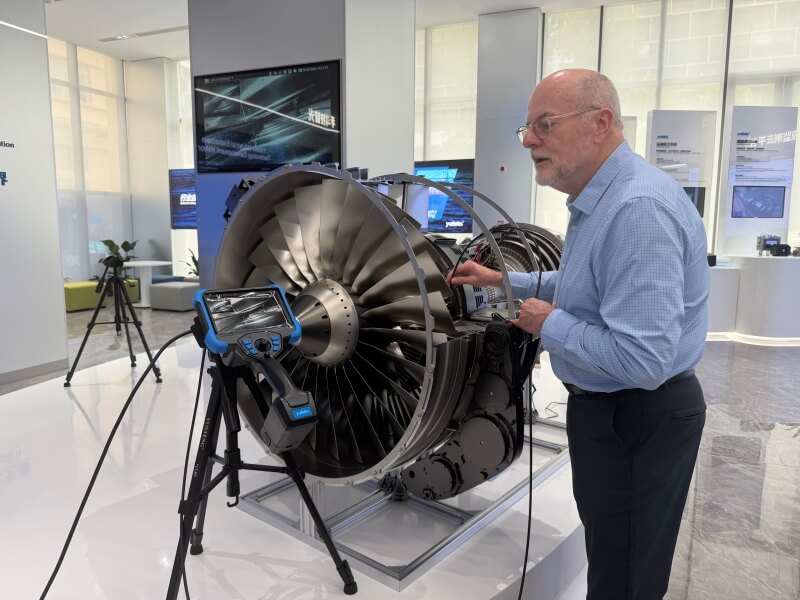
An aircraft engine borescope is a specialized industrial visual inspection device customized for narrow, enclosed and complex mechanical interiors of aero engines. Unlike ordinary industrial detection tools, the professional aviation endoscope adopts a slender, flexible probe, high-definition imaging sensor and 360° omnidirectional steering capability. It can access engine interiors through factory-reserved inspection ports to complete comprehensive internal visual inspection without disassembling any engine components.
Traditional full disassembly engine inspection requires long aircraft downtime, complicated manual operations and extremely high aviation maintenance costs. Moreover, repeated engine disassembly easily causes secondary damage to high-precision engine parts and shortens engine service life. In contrast, non-destructive borescope inspection perfectly solves these industry pain points, enabling fast, precise, safe and low-cost aero engine health assessment and routine testing.

Core Inspection Applications of Industrial Borescopes in Aero Engines
Modern commercial and military aviation engines integrate ultra-precision core components, including compressors, combustion chambers, turbine blades, turbine discs and internal shafting systems. Every core part directly determines engine operating stability and overall flight safety, making borescope engine inspection a mandatory routine procedure for all professional aviation MRO service providers.
1. Compressor and Turbine Blade Inspection
Engine compressor and turbine blades are the most vulnerable components susceptible to external impact damage and long-term operational fatigue wear. High-performance industrial borescopes for aircraft engines can efficiently detect common blade defects, including surface cracks, pits, edge curling, abrasion and typical foreign object damage (FOD). Additionally, the testing equipment accurately inspects fatigue cracks on blade roots and tenons, and verifies the completeness of thermal barrier protective coatings, allowing aviation technicians to assess component aging and predict potential engine failures in advance.
2. Combustion Chamber and Flame Tube Detection
Engine combustion chambers and flame tubes run under persistent high-temperature combustion conditions, which commonly trigger thermal corrosion, material ablation, surface cracking, structural deformation and carbon accumulation. HD aviation borescopes deliver clear real-time imaging to capture microscopic internal defects, inspect clogged fuel nozzles and damaged thermal insulation coatings, effectively preventing combustion instability, engine power attenuation and unexpected aviation faults.
3. Turbine Disc and Internal Pipeline Inspection
Subtle hidden faults inside turbine discs, internal shaft structures and lubricating pipelines are completely invisible to the naked eye. Professional aviation-grade borescopes penetrate deep into confined engine cavities to detect micro cracks, shaft abrasion and pipeline blockage, thoroughly eliminating potential risks such as airborne engine stalling, power shortage and abnormal vibration during commercial flights.
Key Benefits of Borescope Inspection for Aviation MRO
In the modern global aviation maintenance industry, industrial borescopes are no longer simple auxiliary detection tools. They are essential core non-destructive testing devices for guaranteeing flight safety, reducing aircraft downtime and optimizing overall aviation MRO operating costs.
First, professional aviation borescope inspection supports 100% non-destructive engine testing without component disassembly, drastically cutting aircraft ground maintenance downtime and improving aviation operational efficiency. Second, it enables early identification of latent microscopic defects, effectively avoiding severe aviation incidents including in-flight engine flameout and shutdown, and meeting strict international aviation safety standards.
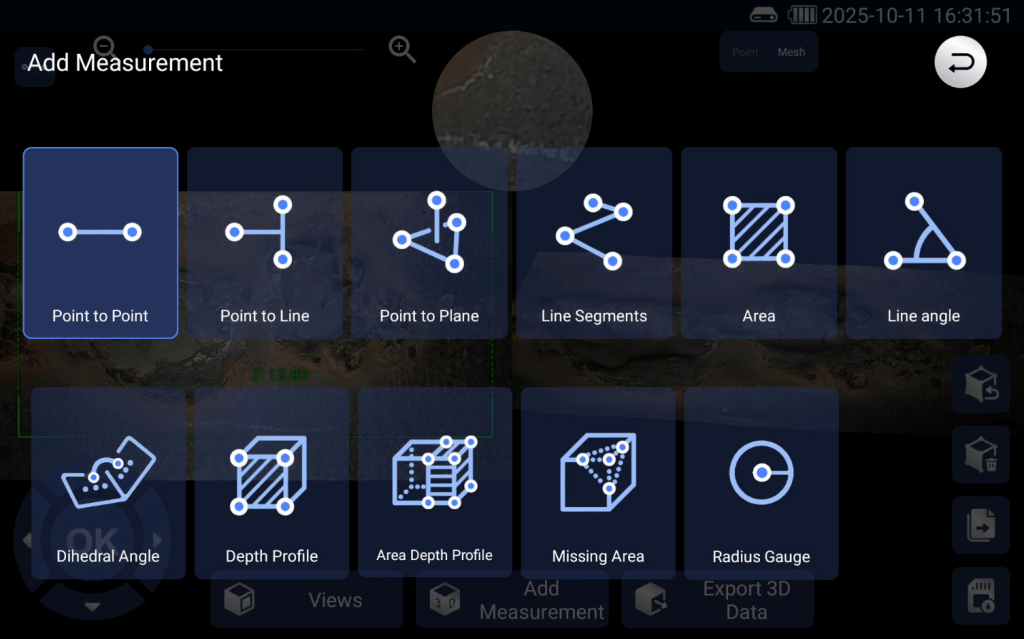
Furthermore, premium industrial borescopes are equipped with industry-leading 3D dimensional measurement and 360° all-directional articulation functions, enabling precise quantitative analysis of internal engine defects. Featuring industrial-grade high temperature resistance, oil resistance and impact resistance, these professional inspection devices adapt to harsh engine internal environments and fully comply with civil aviation airworthiness and maintenance specifications worldwide.
Conclusion
Known as the precision “visual eyes” for aircraft engine health monitoring, industrial borescopes offer irreplaceable value in aircraft engine routine visual inspection, fault diagnosis, component condition assessment and full-cycle overhaul maintenance. For global aviation maintenance companies and professional MRO workshops, investing in reliable aircraft engine industrial borescopes is the most cost-effective solution to upgrade maintenance capabilities, reduce operational expenditures and strictly adhere to global aviation safety and airworthiness regulations.