
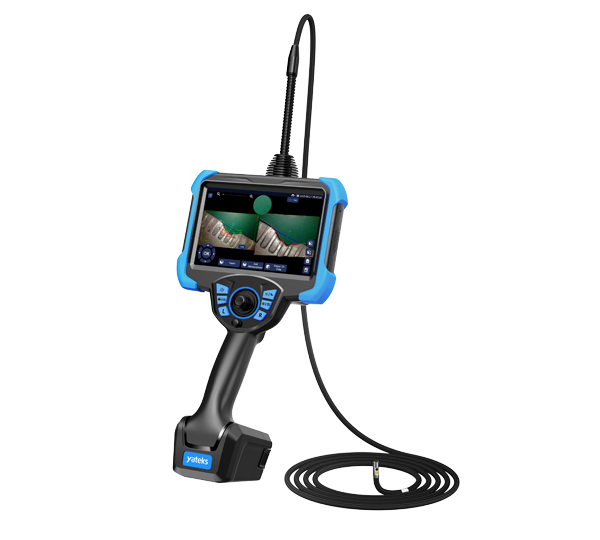
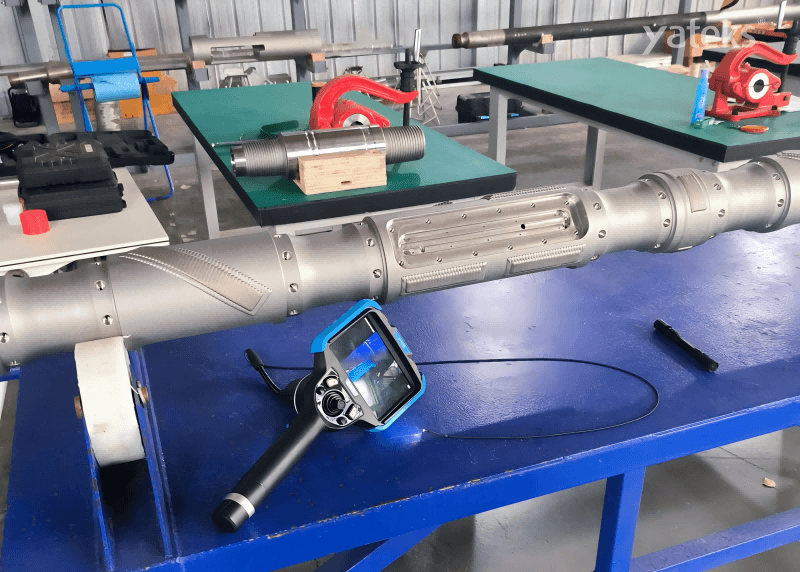
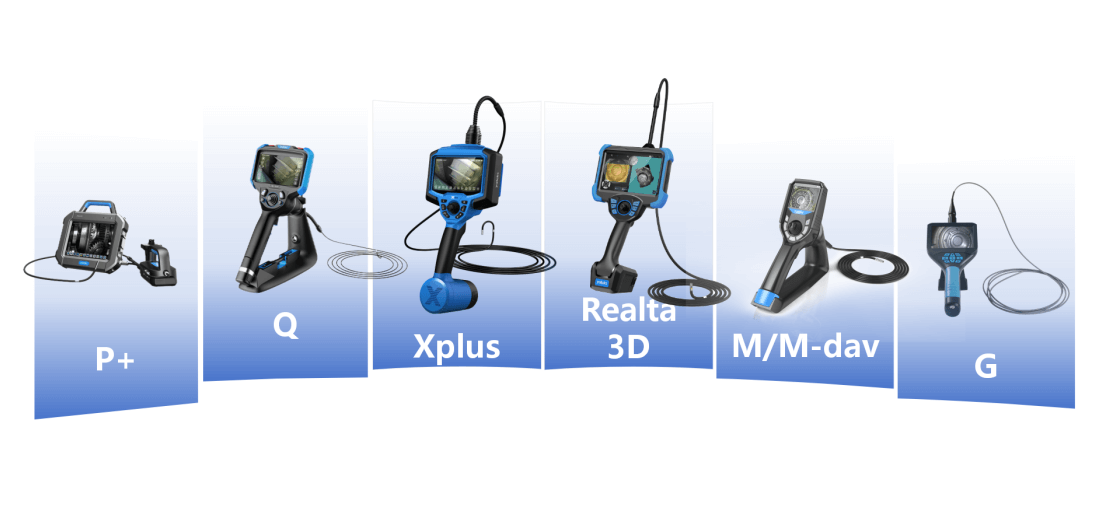
Industrial borescopes are essential tools for remote visual inspection (RVI) and non-destructive testing (NDT). They allow technicians to inspect hard-to-reach areas inside engines, pipes, turbines, machinery and other industrial components without extensive disassembly.
Because an industrial borescope combines precision optics, cameras, articulation mechanisms and electronic components, proper care is essential for maintaining inspection performance and extending equipment service life.
Regular industrial borescope maintenance does not have to be complicated. With proper handling, cleaning, inspection and storage, users can reduce avoidable damage, maintain image quality and keep their inspection equipment ready for use.
Here are some practical guidelines for industrial borescope care and maintenance.
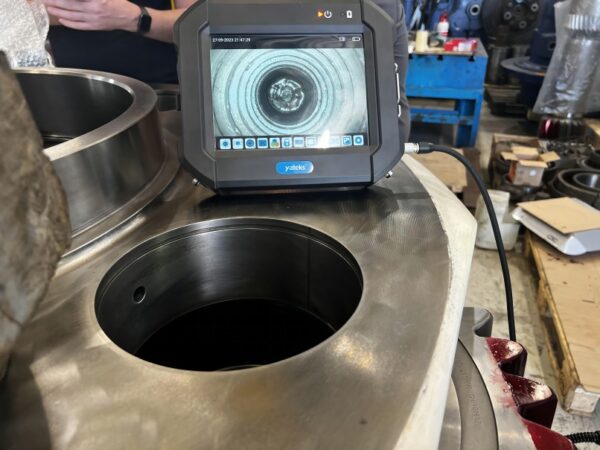
1. Handle the Borescope Carefully During Inspection
The first step in industrial borescope maintenance is proper operation. Many common failures are caused not by the equipment itself, but by improper handling.
Avoid Excessive Bending and Impact
The insertion tube, distal tip, articulation section and camera assembly are precision components. Avoid dropping the borescope, striking the insertion tube against hard surfaces or forcing the probe into narrow passages.
When transporting or packing the equipment, keep the insertion tube properly arranged and avoid sharp bends or excessive pressure.
Good practice:
- Avoid forcing the probe through restricted openings.
- Do not drag the insertion tube across sharp edges.
- Protect the camera tip from impact.
- Follow the manufacturer’s minimum bending radius.
These simple precautions can help prevent damage to the probe and articulation mechanism.
2. Use the Borescope Within Its Rated Environment
Industrial inspection environments can vary significantly. A borescope used for aerospace inspection may encounter different conditions from one used in automotive manufacturing, power generation or oil and gas applications.
Before starting an inspection, check the equipment’s specified operating conditions, including:
- Operating temperature
- Ingress protection rating
- Chemical resistance
- Probe specifications
- Maximum insertion depth
- Articulation range
- Applicable inspection environment
Do not assume that an industrial borescope is suitable for every environment simply because it is designed for industrial use.
High temperatures, corrosive chemicals, excessive dust or moisture can affect the probe, camera, optical components and electronic system if the equipment is used outside its specified limits.
3. Operate the Articulation System Properly
The articulation mechanism allows the distal tip of a borescope to navigate complex internal structures. However, excessive or improper operation can place unnecessary stress on the articulation system.
When controlling the probe, use smooth and controlled movements rather than repeatedly forcing the joystick or control mechanism to its limits.
Avoid keeping the probe under extreme articulation for longer than necessary, particularly when navigating confined spaces.
The specific articulation limits and operating procedures should always follow the manufacturer’s instructions for the particular borescope model.
4. Clean the Industrial Borescope After Use
Proper cleaning is one of the most important aspects of industrial endoscope maintenance.
During inspection, the insertion tube and distal tip may come into contact with oil, grease, dust, metal particles, carbon deposits or other contaminants. If these residues remain on the equipment, they can affect image quality and may damage surfaces over time.
Clean the Camera Tip and Insertion Tube
After each inspection:
- Remove visible contamination from the insertion tube.
- Carefully clean the camera tip and lens window using appropriate materials.
- Remove oil, dust and other residues according to the manufacturer’s cleaning instructions.
- Dry the equipment completely before storage.
Do not use aggressive solvents or cleaning chemicals unless they are specifically approved for the equipment.
For inspections involving corrosive substances, follow the manufacturer’s recommended cleaning and decontamination procedure.
5. Keep the Lens and Optical Window Clean
A dirty lens can significantly affect inspection results.
Dust, fingerprints, oil and other contamination on the optical window may cause:
- Reduced image clarity
- Glare or reflections
- Lower contrast
- Image distortion
- Difficulty identifying small defects
Before an inspection, check the distal tip and optical window. If the image appears unexpectedly blurry, cleaning the lens should be one of the first troubleshooting steps.
Avoid wiping the optical surface with rough materials that could scratch the protective coating.
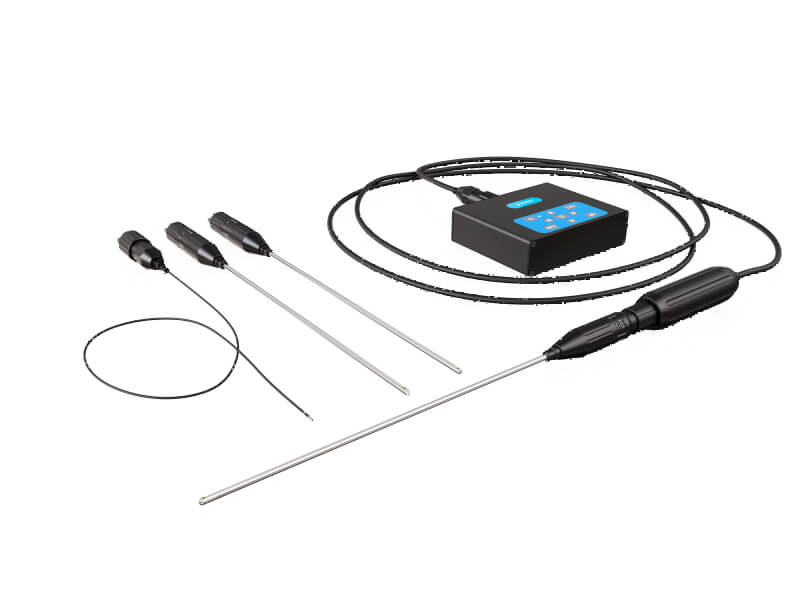
6. Inspect Cables, Connectors and Accessories Regularly
An industrial borescope is more than its insertion tube and camera. Cables, connectors, batteries, displays and other accessories also require regular attention.
Before use, check for:
- Damaged or exposed cables
- Loose connectors
- Cracked housings
- Abnormal articulation resistance
- Damaged probe sheathing
- Battery or power abnormalities
For systems that use wireless connectivity or software, keep the system firmware and related software up to date when updates are provided by the manufacturer.
Early detection of minor problems can help prevent unexpected equipment downtime during critical inspections.
7. Store the Borescope in a Clean and Dry Environment
Proper storage is another important part of borescope care.
After cleaning and drying the equipment, store the borescope in its dedicated case whenever possible. Avoid leaving the insertion tube exposed to dust, moisture, direct sunlight or extreme temperatures for extended periods.
Recommended Storage Practices
- Store the borescope in a dry, clean environment.
- Keep it away from excessive heat and humidity.
- Avoid heavy objects being placed on the insertion tube.
- Protect the distal tip from impact.
- Keep cables and accessories organized.
- Use the original or manufacturer-recommended storage case when available.
For long-term storage, follow the manufacturer’s recommendations for battery maintenance and periodic equipment inspection.
8. Follow the Manufacturer’s Maintenance Recommendations
Different industrial borescopes have different designs, materials, sealing structures and operating specifications.
Therefore, there is no single maintenance schedule that applies to every industrial borescope.
For example, maintenance requirements may differ depending on:
- Probe diameter
- Insertion tube length
- Articulation mechanism
- Camera and optical design
- IP rating
- Operating temperature
- Inspection media
- Frequency of use
Users should always prioritize the maintenance instructions provided for their specific model.
For professional inspection equipment used frequently, periodic inspection or calibration by the manufacturer or an authorized service provider can also help maintain measurement and imaging performance.
9. Create a Simple Borescope Maintenance Routine
For companies using industrial borescopes regularly, maintenance should become part of the inspection workflow rather than an occasional task.
A simple routine can include:
Before Inspection
- Check the probe and distal tip.
- Inspect cables and connectors.
- Confirm the battery or power supply.
- Check image quality and articulation.
- Confirm that the operating environment is within specifications.
During Inspection
- Avoid excessive bending or force.
- Prevent the probe from contacting sharp edges.
- Operate the articulation system smoothly.
- Monitor the environment and probe condition.
After Inspection
- Clean the insertion tube and camera tip.
- Remove contaminants according to the manufacturer’s instructions.
- Dry the equipment before storage.
- Inspect for signs of damage.
- Store the system properly.
This simple workflow can make industrial borescope maintenance more consistent and easier to manage across an inspection team.
Why Proper Industrial Borescope Maintenance Matters
A well-maintained borescope can provide more consistent inspection performance and help reduce avoidable repair costs.
More importantly, reliable equipment supports reliable inspection results.
For applications such as aerospace, automotive manufacturing, power generation, oil and gas, shipbuilding and heavy machinery, inspection equipment may be used to identify cracks, corrosion, wear, deposits and other internal conditions that cannot be easily observed from the outside.
Maintaining the borescope therefore helps protect not only the equipment itself, but also the quality and efficiency of the inspection process.
Conclusion: Make Borescope Care Part of Your Inspection Process
Extending the service life of an industrial borescope starts with everyday habits.
Handle it carefully. Clean it properly. Inspect it regularly. Store it correctly.
By incorporating these practices into daily inspection procedures, companies can help maintain image quality, reduce unnecessary equipment damage and keep their inspection systems ready for demanding applications.
When choosing an industrial borescope, maintenance requirements should also be considered alongside image quality, probe diameter, articulation, measurement capabilities and environmental protection.
For professional remote visual inspection (RVI), the right equipment combined with proper maintenance can provide a more reliable and efficient inspection workflow.